Topics
Exploring the nuclear equation of state using relativistic mean-field models, symmetry energy, pressure anisotropy, pasta phases, and crustal properties. Bridging finite-nucleus physics with astrophysical observables.
Studying how fermionic and bosonic dark matter modifies the structure, stability, and observable properties of neutron stars using a relativistic two-fluid framework. Constraints from NICER, GW170817, and PSR J0952-0607.
Modelling thermal evolution of neutron stars including superfluidity, pairing gaps, and direct URCA processes. Constraining gap parameters using observed surface temperature data and mass distributions.
Computing inspiral waveforms, f-mode and r-mode oscillation frequencies, and tidal Love numbers for dark matter admixed neutron stars. Connecting to multi-messenger observations from LIGO–Virgo.
Recent Articles
Research Visualizations
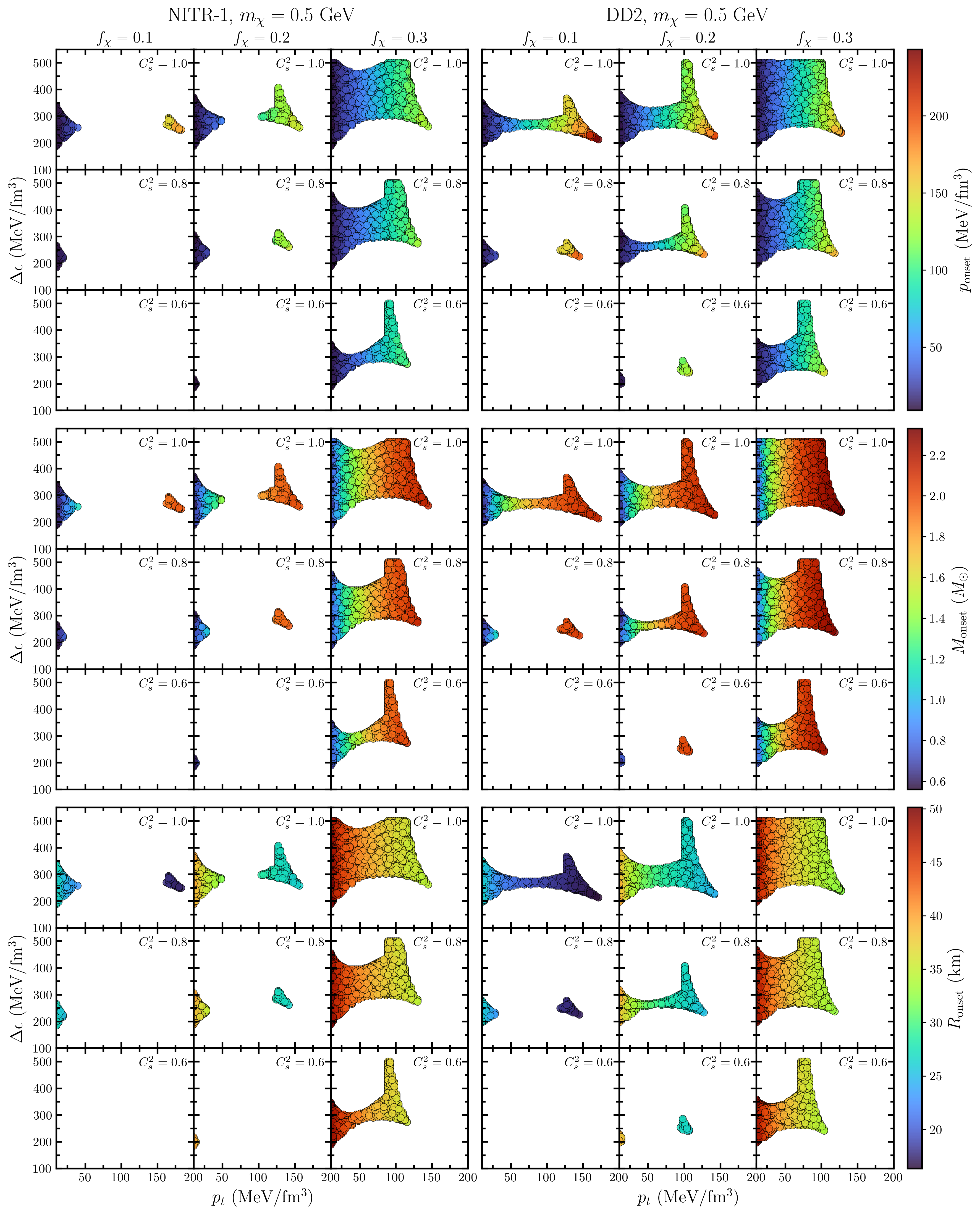
Onset plot for Dark Matter Admixed Twin Stars
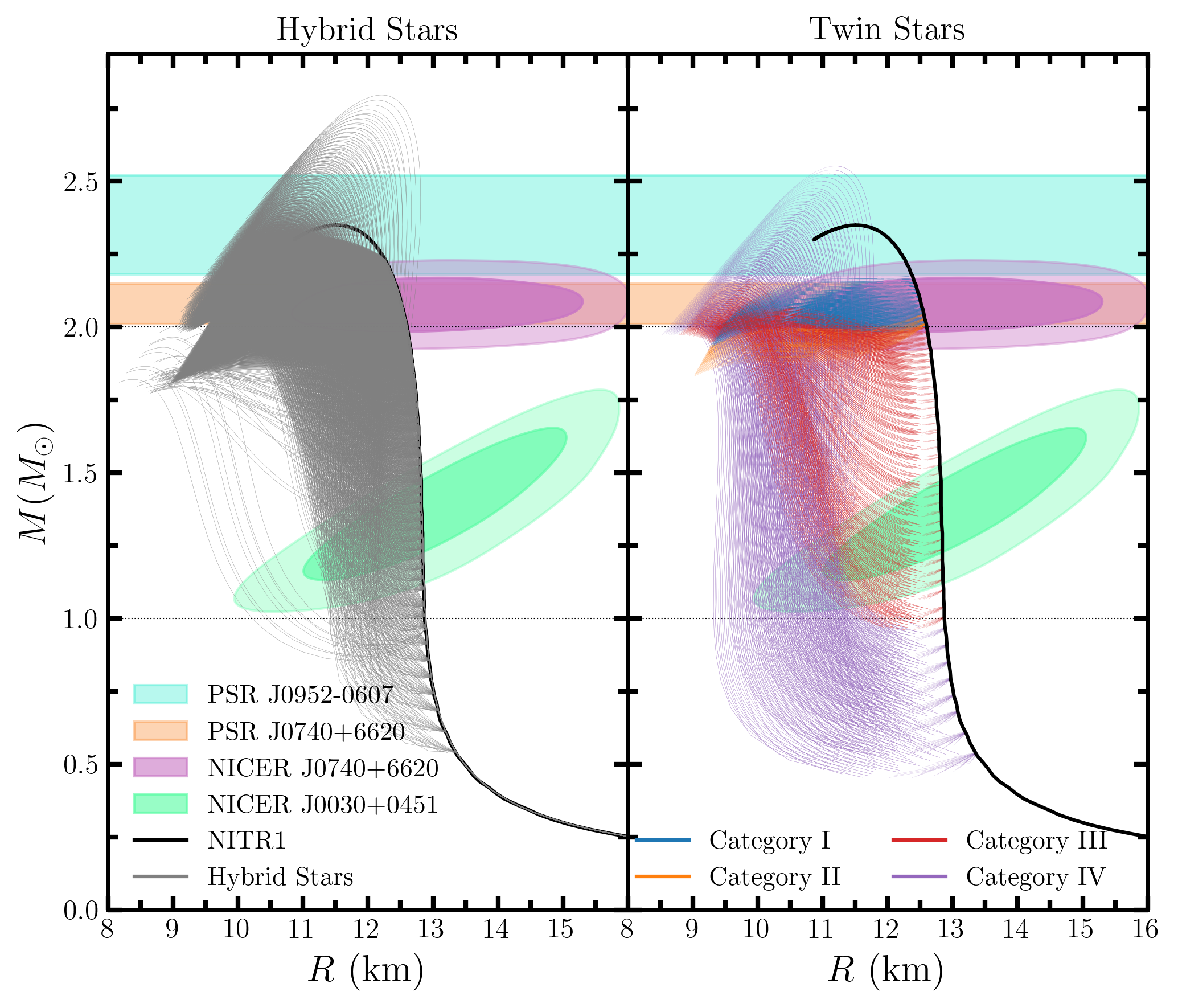
Mass-Radius relations for Hybrid and Twin Stars
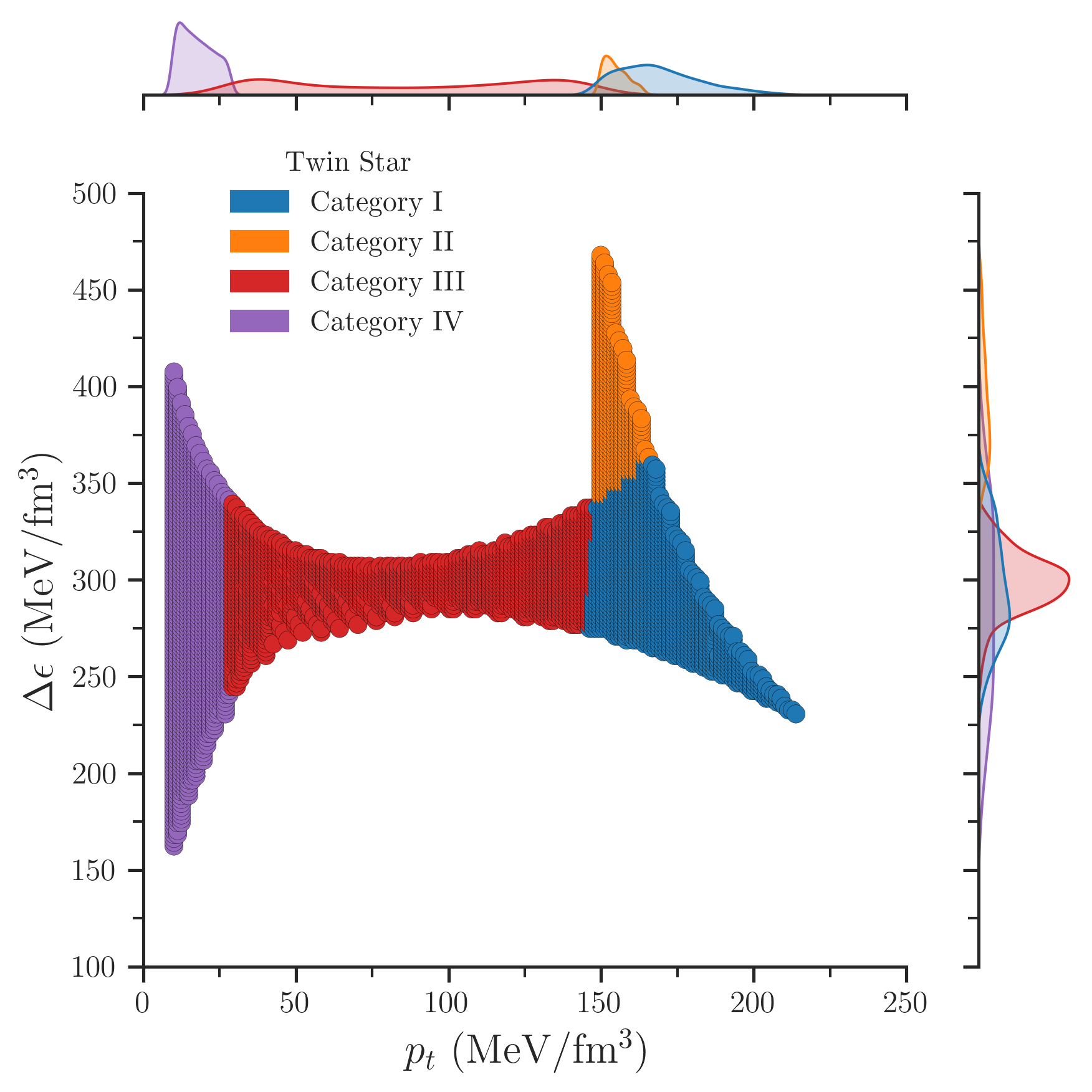
Phase space for Twin Stars
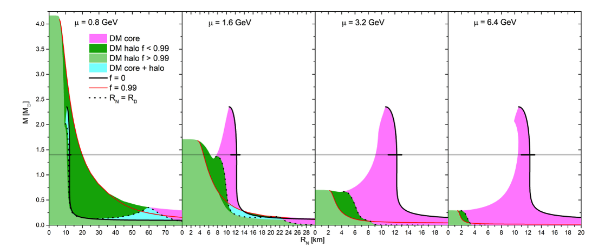
Mass-Radius Relations for the Two-Fluid Dark Matter Model
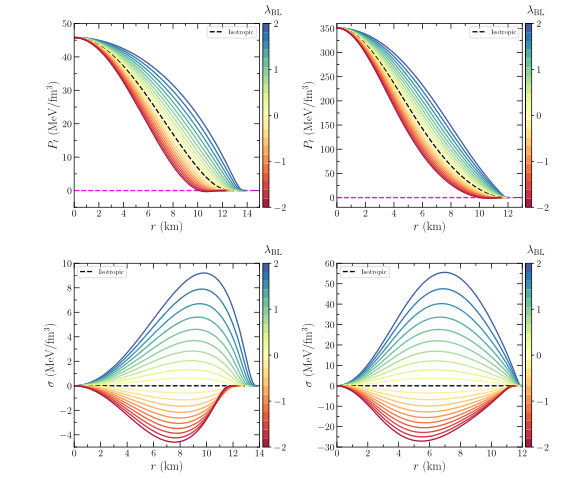
Anisotropy inside Neutron Stars
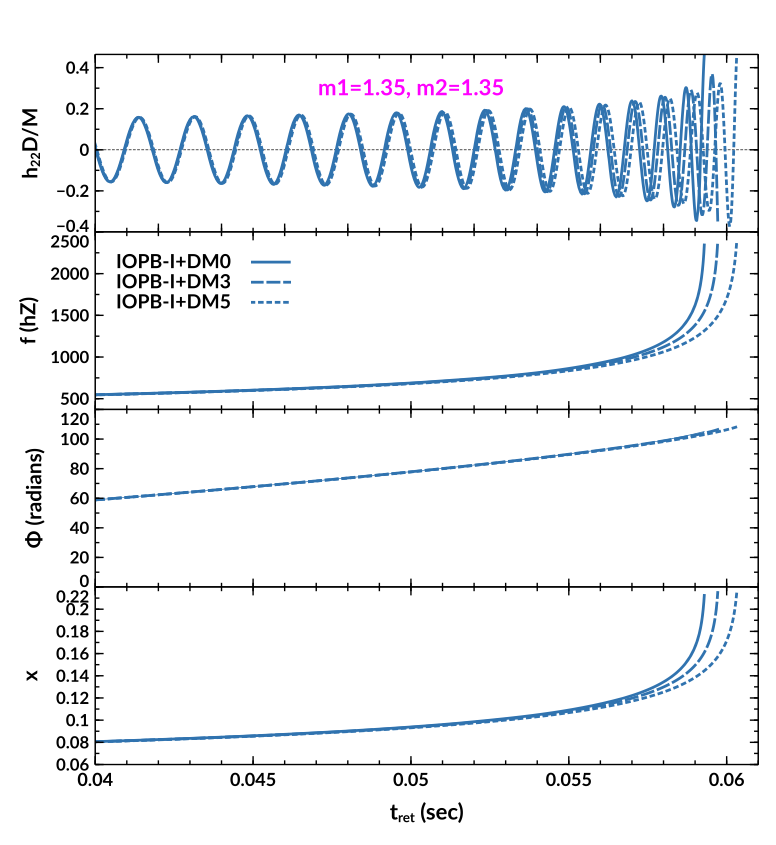
Inspiral waveforms of Dark Matter Admixed Neutron Stars
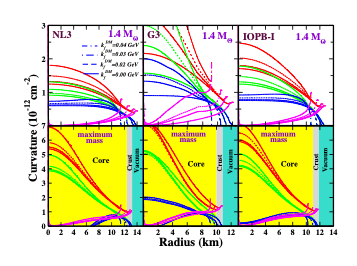
Curvature inside the Dark Matter Admixed Neutron Stars
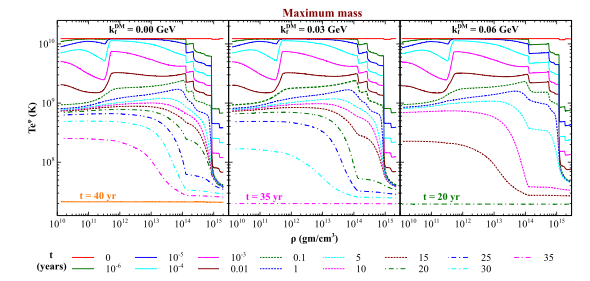
Cooling of Dark Matter Admixed Neutron Stars
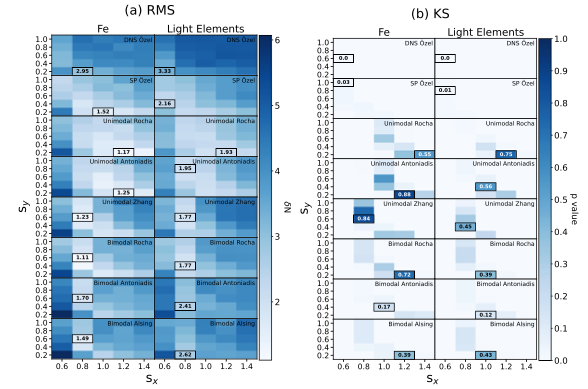
Constraints on scale parameters of pairing superfluidity gaps using cooling data and mass distribution
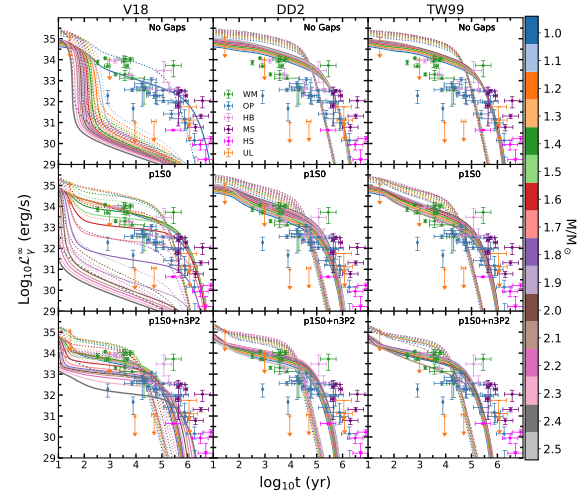
Cooling of Neutron Stars
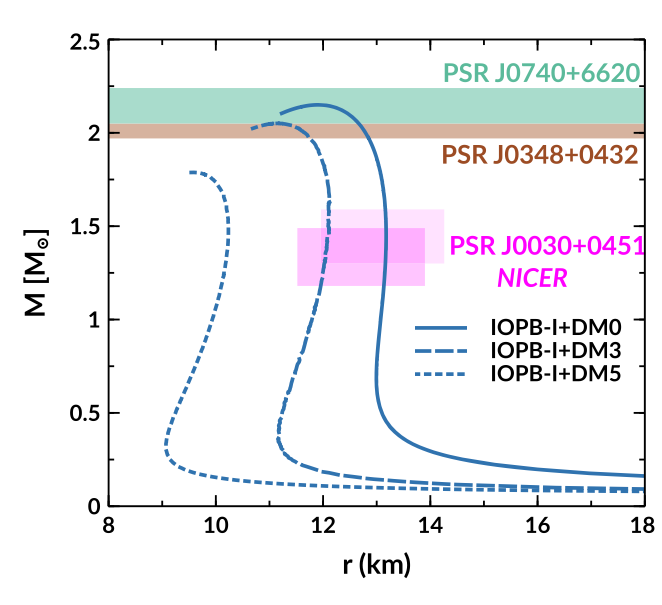
Mass-Radius relations for Dark Matter Admixed Neutron Stars
Methods I Work With
From a Lagrangian to a likelihood. Each paper follows the same five steps: a nuclear model gives an equation of state, the equation of state builds a star, the star gives observables, and the data feed back to constrain the model. Counts show how many of my papers touch each topic. Hover, tap or tab a topic to see what it builds on and feeds into.
- in
- couplings fitted to finite nuclei
- out
- J, L, K at saturation
- in
- mean fields + extra species
- out
- P(ε), speed of sound
- in
- P(ε), anisotropy, fields
- out
- M, R, compactness, curvature
- in
- the star’s interior and k₂
- out
- Λ(M), f-mode frequency, Tₛ(t)
- in
- NICER, GW events, pulsar masses
- out
- posteriors, e.g. on R₁.₄